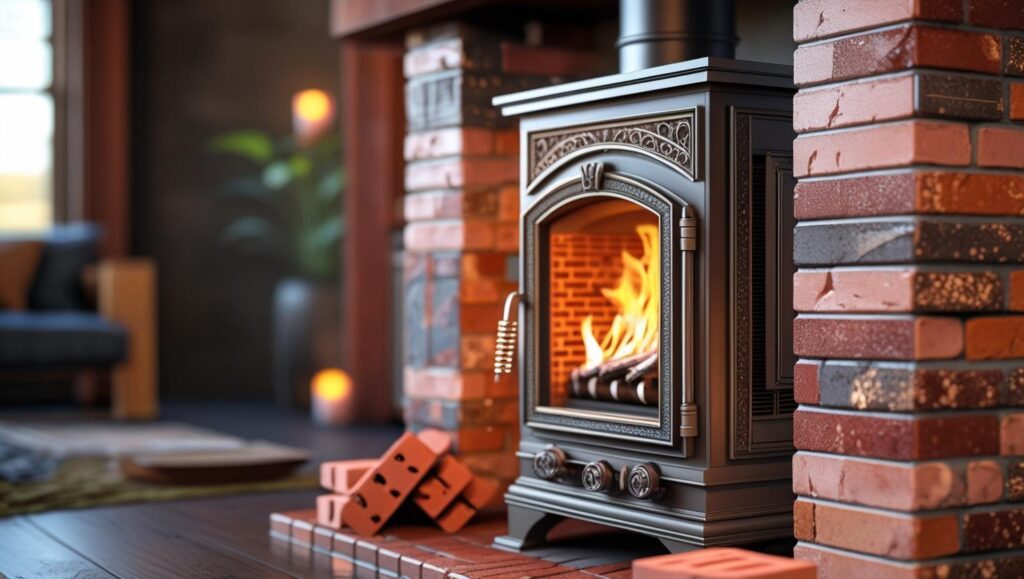
A masonry heater isn’t just a heating appliance—it’s a statement piece, a gathering point, and a legacy structure that can serve your home for decades. Known for their ability to store massive amounts of heat and release it slowly over many hours, masonry heaters combine high efficiency with deep, lasting comfort. And when you go custom, you’re not just installing a heater—you’re creating something that reflects your personal style, heating needs, and way of life.
Designing your own custom masonry heater is an exciting project, but it’s also one that requires thoughtful planning. From materials and efficiency to aesthetics and integration, every decision will shape how your heater performs and how it fits into your home. In this guide, we’ll walk through practical tips to help you design a masonry heater that’s not only beautiful but also functional, durable, and perfectly suited to your living space.
1. Start with Your Heating Goals
Understand Your Primary Purpose
Before you even think about style or materials, clarify what you want your masonry heater to accomplish. Is it your primary heat source or a supplemental system? Will it need to heat your entire home or just a main living area? These questions will help you determine the size, mass, and design features of your heater.
Assess the Space You’re Heating
The heater’s capacity must match the area you want to heat. In an open floor plan, a centrally located heater can radiate warmth throughout the space. In a home with more walls and closed-off rooms, you may need a more strategic design to channel heat effectively.
Factor in Climate and Lifestyle
Your local climate plays a huge role in your heater’s size and performance requirements. In regions with long, cold winters, you’ll want a larger heater with greater thermal mass to hold and release heat for longer periods. In milder areas, a smaller, more compact heater can provide adequate warmth without overheating your space. Your daily routine matters, too—if you’re home all day, you may prefer a design that allows for more frequent, gentle burns; if you’re away most of the day, you’ll want a model that stays warm from a single burn cycle.
2. Choose the Right Masonry Materials
Soapstone: The Gold Standard
If efficiency and heat retention are your priorities, soapstone is hard to beat. Known for its ability to absorb high heat and release it evenly over many hours, soapstone makes for a masonry heater that keeps you comfortable long after the fire is out. It’s also naturally non-porous, so it won’t trap odors or moisture—a bonus for air quality.
Firebrick for the Core
Refractory firebrick is essential for the inner firebox and flue channels. It withstands the extreme heat of fast, hot burns without cracking, ensuring your heater’s long-term durability.
Decorative Options
The exterior finish is where you can really express your style. Brick offers a timeless, rustic feel, while tile, stone veneer, or even plaster can help your heater blend seamlessly with your home’s design. You can even mix finishes—soapstone facing with decorative tile accents, for example—for a truly custom look.
Mixing Materials for Performance and Aesthetics
Many custom heaters use a layered approach: soapstone or firebrick inside for heat storage and durability, and decorative stone or brick outside for visual appeal. This approach gives you the best of both worlds—performance and personality.
3. Plan the Heater’s Core for Maximum Efficiency
The Heart of the Heater
The core is where the real magic happens. It’s designed to channel hot gases from the fire through a labyrinth of flues before they exit the chimney. This allows the masonry to absorb as much heat as possible before releasing it gradually into the room.
Firebox Size and Shape
The firebox must be proportioned to burn wood completely in a short, intense fire—usually 1.5 to 2 hours. A firebox that’s too large can waste wood and produce incomplete combustion, while one that’s too small will require frequent refueling and may not heat the mass sufficiently.
Flue Design and Heat Capture
A well-designed flue system maximizes heat transfer without restricting airflow. This involves balancing the flue length and path with the heater’s size and intended output. Skilled masonry heater builders use established design formulas to ensure efficiency and safety.
Clean Burn Technology
Modern masonry heaters are designed for “clean burn” operation—hot fires that produce minimal smoke and creosote. This not only improves efficiency but also reduces emissions, making your heater eco-friendly.
4. Integrate Additional Features
Baking and Cooking Functions
If you love the idea of cooking with your heater, consider adding a built-in baking oven. The retained heat can be perfect for baking bread, roasting meats, or making pizza long after the fire is out.
Heated Benches and Lounging Areas
Extend the masonry into a bench or daybed, and you’ll have a cozy, radiant-warm spot to relax in winter. These heated seats become instant family favorites.
Hot Water Heating Options
Some masonry heaters can be fitted with water heating coils to preheat domestic water. This is a more complex addition and should only be done with professional guidance to ensure safety.
Wood Storage and Niches
Incorporating built-in wood storage beneath or beside your heater keeps logs handy and adds a rustic charm. Decorative niches can also be used to display pottery, plants, or art, turning the heater into a design focal point.
5. Focus on Placement and Home Integration
Central Placement for Maximum Effect
Masonry heaters radiate heat outward from their surfaces, so placing them centrally allows warmth to reach multiple rooms more evenly.
Floor Support Considerations
A fully built masonry heater can weigh several tons. Before you commit to a location, ensure your floor can handle the load—this might require additional foundation support.
Working with Your Floor Plan
Open-concept layouts are ideal for masonry heaters, as there are fewer barriers to block radiant heat. In more compartmentalized homes, you may need to position the heater so that it can warm multiple adjoining spaces.
Aesthetic Integration
Your heater should feel like a natural part of your home, not an afterthought. Coordinate exterior materials and design with your existing architecture for a seamless look. Whether you prefer rustic, modern, or classic styling, the finish and shape of your heater can be tailored to complement your décor.
Conclusion: Turning Your Vision into a Living Legacy
Designing a custom masonry heater is about more than just keeping your home warm—it’s about creating a centerpiece that reflects your lifestyle, your aesthetic taste, and your commitment to sustainable comfort. From choosing the perfect materials to fine-tuning the core design for maximum efficiency, every decision you make shapes how your heater will perform for decades to come.
A well-designed masonry heater is a quiet, steady source of warmth, but it’s also a gathering place—a spot where family and friends will naturally congregate during the colder months. With thoughtful planning, you can integrate cooking functions, seating areas, and personalized design details that make your heater as functional as it is beautiful.
When done right, a masonry heater becomes more than just a heating system. It becomes part of your home’s story, passed down through seasons and generations—a living, breathing reminder of the care and creativity you invested.
If you’re ready to bring your vision to life, work with experienced masonry heater builders who understand both the artistry and the science behind these remarkable structures. The result will be a heater that doesn’t just warm your space—it will warm your life.